

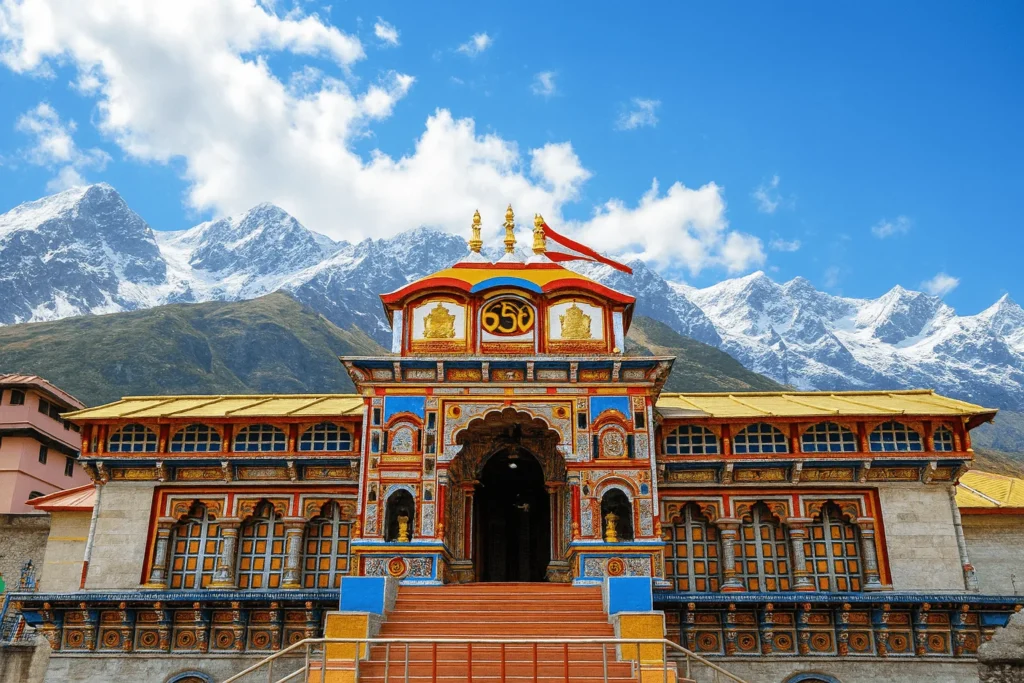
About Badrinath Dham
Badrinath Dham is one of the most sacred Hindu pilgrimage destinations in India, located in the Chamoli district of Uttarakhand in the Garhwal Himalayas. The temple is dedicated to Lord Badri Narayan, a revered form of Lord Vishnu, and is situated at an altitude of approximately 3,133 metres above sea level.
Badrinath is one of the four sacred shrines of the Char Dham Yatra in Uttarakhand, along with Kedarnath, Gangotri and Yamunotri. It is also regarded as one of the important pilgrimage centres for Vaishnavites and is associated with the Panch Badri pilgrimage circuit. Surrounded by the Nar and Narayan mountain ranges and located near the Alaknanda River, Badrinath Dham attracts devotees and travellers from across India and around the world.
Quick Facts
| Information | Details |
|---|---|
| Temple Name | Badrinath Dham |
| Location | Badrinath, Chamoli, Uttarakhand, India |
| Deity | Lord Badri Narayan (Lord Vishnu) |
| Famous For | Char Dham Yatra and one of India’s most revered Vishnu temples |
| Temple Type | Hindu Temple |
| Altitude | Approximately 3,133 metres |
| Nearest Railway Station | Rishikesh Railway Station |
| Nearest Airport | Jolly Grant Airport, Dehradun |
| Ideal Duration | 1–2 Days |
Highlights
- One of the four sacred shrines of the Uttarakhand Char Dham Yatra
- Revered temple dedicated to Lord Badri Narayan, a form of Lord Vishnu
- Located at approximately 3,133 metres in the Garhwal Himalayas
- Surrounded by the majestic Nar and Narayan mountain ranges
- Located near the sacred Alaknanda River
- Part of the important Panch Badri pilgrimage circuit
- Sacred Tapt Kund, a natural hot water spring near the temple
- Brahma Kapal, an important site for performing rituals for ancestors
- Gateway to several important Himalayan spiritual destinations
Darshan, Timings & Rituals
Badrinath Temple is open to pilgrims during the annual Char Dham Yatra season. The temple remains closed during the winter months because of the extreme Himalayan weather conditions, and the opening and closing dates are announced each year.
Darshan: Darshan is available during designated temple hours and visiting schedules may change depending on the season, weather conditions and official temple arrangements.
Special Rituals: Various daily pujas, bhog offerings and aartis are performed at Badrinath Temple according to traditional religious practices. Pilgrims can also find information about authorised puja and other services through the official Shri Badarinath Kedarnath Temple Committee.
Important: Temple timings, darshan arrangements, registration requirements and travel guidelines can change. Always check the latest official information before planning your Badrinath Yatra.
Best Time to Visit
The best time to visit Badrinath Dham is generally during the temple’s annual pilgrimage season, typically between the summer and autumn months when the shrine is open to devotees.
May and June usually offer relatively favourable conditions for pilgrimage, while September and October are also preferred by many travellers after the main monsoon period. July and August can experience heavy rainfall and landslides in parts of the Himalayan region, so travellers should carefully monitor weather and road conditions.
Winter travel to Badrinath is extremely challenging because of severe cold and snowfall, and the main temple remains closed during the annual winter closure period.
How to Reach
By Air: Jolly Grant Airport in Dehradun is the nearest airport to Badrinath. The airport is approximately 314 km away, and onward travel is generally completed by road.
By Train: Rishikesh Railway Station is the nearest railway station to Badrinath, located approximately 295 km away. Haridwar is also an important rail gateway for travellers arriving from major cities across India.
By Road: Badrinath is connected by motorable roads during the pilgrimage season. Travellers usually reach the region through Haridwar, Rishikesh, Devprayag, Rudraprayag, Karnaprayag, Chamoli, Joshimath and onward towards Badrinath. Road conditions in the Himalayas can be affected by weather and landslides, so travellers should check the latest route status before starting their journey.
Suggested Itinerary
Day 1: Arrive in Badrinath, complete Darshan at Badrinath Temple and visit nearby sacred places such as Tapt Kund and Brahma Kapal. Spend time exploring the spiritual surroundings of the temple town.
Day 2: Visit Mana Village and explore nearby attractions depending on weather conditions and road accessibility. Travellers can also plan visits to important nearby spiritual and natural destinations before continuing their Char Dham journey or returning towards Joshimath.
Explore Nearby
Mana Village: A famous Himalayan village near Badrinath and one of the most popular places to visit during the Badrinath Yatra.
Tapt Kund: A sacred natural hot water spring located near Badrinath Temple. It is an important pilgrimage site for devotees visiting the shrine.
Brahma Kapal: A sacred site located near the Alaknanda River where Hindu pilgrims perform rituals and pay homage to their ancestors.
Vasudhara Falls: A magnificent Himalayan waterfall located beyond Mana Village. The journey involves travelling towards Mana followed by a trek.
Joshimath: An important spiritual and travel destination on the route to Badrinath and a major stop for pilgrims travelling through the Garhwal Himalayas.
Where to Stay
Find comfortable stays near Badrinath and along the Char Dham travel route, with convenient options for pilgrims travelling through Joshimath and other important destinations in Uttarakhand.
Explore Trusted Stays Near Badrinath →
Festivals
Badrinath Dham holds special religious significance throughout the annual pilgrimage season. Important temple rituals and celebrations are conducted according to traditional Hindu customs and the official temple calendar.
The opening and closing ceremonies of the Badrinath Temple are among the most significant annual events associated with the shrine. Special pujas and religious rituals are also performed throughout the pilgrimage season.
Travel Tips
- Check the latest official temple opening dates, timings and travel guidelines before planning your journey.
- Complete any required Char Dham Yatra registration according to the latest Uttarakhand Government guidelines.
- Carry warm clothing, jackets, gloves and other essential items because temperatures can remain low even during the pilgrimage season.
- Check weather forecasts and road conditions regularly before travelling in the Himalayan region.
- Avoid unnecessary travel during severe weather conditions or official road closures.
- Keep sufficient time in your itinerary because mountain travel can be affected by traffic, weather and landslides.
- Carry essential medicines and consult a doctor before travelling if you have concerns about high-altitude travel.
- Follow all local administration, police and temple authority instructions.
- Respect the religious traditions and natural environment of the Himalayan region.
- Book accommodation and transport in advance during the peak Char Dham Yatra season.
FAQs
Where is Badrinath Dham located?
Badrinath Dham is located in the Chamoli district of Uttarakhand, India, in the Garhwal Himalayas at an altitude of approximately 3,133 metres.
Which deity is worshipped at Badrinath Temple?
Badrinath Temple is dedicated to Lord Badri Narayan, a revered form of Lord Vishnu.
Is Badrinath part of the Char Dham Yatra?
Yes, Badrinath is one of the four sacred shrines of the Uttarakhand Char Dham Yatra, along with Kedarnath, Gangotri and Yamunotri.
What is Badrinath Dham famous for?
Badrinath Dham is famous as one of India’s most important Hindu pilgrimage destinations, a sacred temple dedicated to Lord Vishnu and one of the four shrines of the Uttarakhand Char Dham Yatra.
What is the best time to visit Badrinath?
The best time to visit is generally during the annual pilgrimage season when the temple is open. May, June, September and October are commonly preferred, depending on weather conditions and official travel advisories.
How can I reach Badrinath Dham?
Badrinath can be reached primarily by road during the pilgrimage season. Jolly Grant Airport in Dehradun is the nearest airport, while Rishikesh is the nearest railway station. From these locations, travellers continue towards Badrinath by road.
How many days are enough for a Badrinath visit?
One day is generally enough for Darshan and nearby sacred sites, while two days allow a more relaxed visit and time to explore places such as Mana Village and other nearby attractions, subject to weather and road conditions.


