

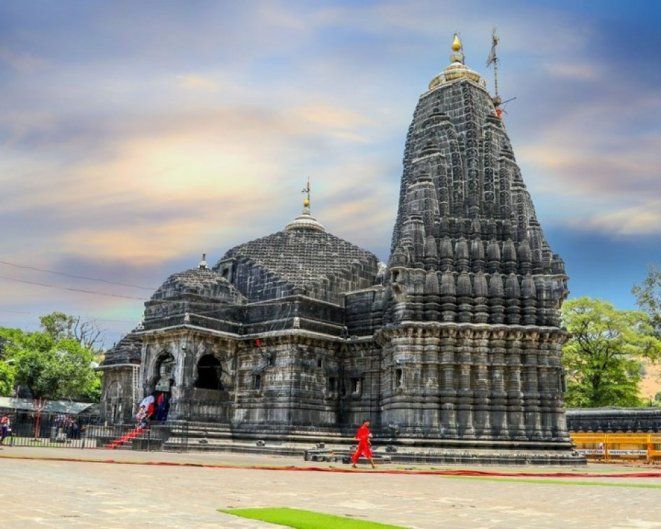
About Bhimashankar Jyotirlinga Temple
Bhimashankar Jyotirlinga Temple is one of the most sacred Hindu temples in India, located in the Sahyadri hills of the Pune district in Maharashtra. Dedicated to Lord Shiva, it is one of the twelve traditionally recognised Jyotirlingas and an important destination for devotees undertaking a Jyotirlinga pilgrimage.
Surrounded by dense forests, rolling hills, and the scenic landscapes of the Western Ghats, Bhimashankar Temple offers a unique combination of spirituality, history, and natural beauty. The temple is known for its traditional stone architecture, intricate carvings, and sacred Jyotirlinga worshipped by devotees throughout the year.
According to Hindu mythology, the temple is associated with the legend of Bhimasura, a powerful demon who troubled devotees and sages. After hearing their prayers, Lord Shiva appeared and defeated the demon, restoring peace and protecting his devotees. The temple is also associated with the origin of the Bhima River, which is traditionally believed to have emerged from Lord Shiva.
Bhimashankar is also known for the nearby Bhimashankar Wildlife Sanctuary, which protects rich forest biodiversity and provides habitat for the Indian giant squirrel, locally known as Shekaru. The surrounding region attracts pilgrims, nature lovers, photographers, and trekking enthusiasts.
Whether you are visiting for spiritual blessings, exploring ancient temple architecture, or experiencing the natural beauty of Maharashtra, Bhimashankar offers a memorable pilgrimage experience.
Quick Facts About Bhimashankar Jyotirlinga Temple
| Temple Name | Bhimashankar Jyotirlinga Temple |
| Alternative Name | Shri Bhimashankar Temple |
| Location | Bhimashankar, Pune district, Maharashtra |
| Presiding Deity | Lord Shiva |
| Jyotirlinga Status | One of the twelve traditionally recognised Jyotirlingas |
| Temple Architecture | Nagara-style architecture with traditional stone carvings |
| Religious Significance | Associated with the legend of Bhimasura and Lord Shiva |
| Nearby Natural Attraction | Bhimashankar Wildlife Sanctuary |
| Nearest Major Railway Station | Pune Junction; onward road travel is required |
| Nearest Major Airport | Pune Airport |
| Distance from Pune | Approximately 120–125 km by road, depending on the route |
| Best Time to Visit | September to February for generally comfortable weather |
| Recommended Duration | One day for darshan; longer for trekking and nature exploration |
Highlights of Bhimashankar Jyotirlinga Temple
- One of the Twelve Jyotirlingas: Bhimashankar is an important sacred shrine dedicated to Lord Shiva and a significant stop on a Jyotirlinga pilgrimage.
- Sacred Shiva Lingam: Devotees visit the temple to worship the Jyotirlinga and seek the blessings of Lord Shiva.
- Mythological Significance: The temple is associated with the story of Lord Shiva’s victory over the demon Bhimasura.
- Traditional Architecture: The temple features stone construction, intricate carvings, and architectural influences associated with traditional Indian temple design.
- Bhima River Connection: Local religious traditions associate the origin of the Bhima River with Lord Shiva.
- Bhimashankar Wildlife Sanctuary: The surrounding forest landscape is known for its biodiversity and the Indian giant squirrel.
- Mahashivratri Celebrations: The temple attracts devotees during this important festival dedicated to Lord Shiva.
- Scenic Sahyadri Hills: The surrounding mountains, forests, and viewpoints make the destination attractive to nature lovers.
- Trekking Opportunities: Trekking routes around the region offer opportunities for experienced hikers, subject to weather and local safety conditions.
Bhimashankar Temple Darshan Timings & Rituals
Bhimashankar Temple welcomes devotees for the worship of Lord Shiva throughout the year. Visitors can seek darshan, participate in scheduled prayers, and experience the spiritual atmosphere of this Jyotirlinga shrine.
Important Darshan Update: The temple’s published contact page has recently displayed a notice of restricted darshan hours from 7:00 AM to 11:00 AM due to construction work in the temple premises. This may be a temporary arrangement, so confirm the current schedule before travelling.
Daily Rituals: The temple’s published daily schedule has included the following worship activities:
- Prakshal Puja: An early-morning ritual associated with preparing the shrine for worship.
- Mangal Aarti: Morning prayers offered to Lord Shiva.
- Nijarup Darshan: A designated period for devotees to view the deity.
- Abhishek: A devotional ritual involving offerings to the Shiva Lingam, subject to temple rules and availability.
- Naivedya Puja: Offerings made to the deity as part of worship.
- Madhyan Aarti: Afternoon prayers according to the temple schedule.
- Evening Aarti: Evening worship and prayers, subject to current operating hours.
Before You Visit: Darshan, abhishek, and ritual timings may change during festivals, maintenance, construction, or special religious occasions. Check the latest updates through the temple’s official contact page at Shri Bhimashankar Temple before making travel arrangements.
Best Time to Visit Bhimashankar Jyotirlinga Temple
The period from September to February is generally suitable for visiting Bhimashankar, especially if you want to combine temple darshan with sightseeing in the surrounding hills.
- September to February: The weather is generally more comfortable for temple visits and exploring the surrounding region.
- Mahashivratri: This major festival dedicated to Lord Shiva attracts large numbers of devotees. Expect crowds and plan transport and accommodation early.
- Shravan Month: The holy month is particularly auspicious for Shiva worship. Mondays and other special days may be especially busy.
- June to August: The monsoon transforms the Sahyadri hills into a lush green landscape. However, heavy rainfall, slippery steps, mist, and road conditions can affect travel and trekking.
- March to May: The weather can be warmer, but early-morning visits may be more comfortable than midday travel.
For a comfortable pilgrimage, check the weather forecast, road conditions, and temple notices before departure. If you are planning a trek, choose a suitable route and follow local safety guidance.
How to Reach Bhimashankar Jyotirlinga Temple
By Air: Pune Airport is a major option for reaching Bhimashankar. From the airport, travellers can continue by taxi or other road transport. The onward journey generally takes several hours, depending on traffic and road conditions.
By Train: Pune Junction is a major railway connection for travellers visiting Bhimashankar. From Pune, you can hire a taxi or use available bus services to reach the temple area. Confirm onward transport schedules before travelling, as the temple is located in the hills rather than beside a major railway station.
By Road: Bhimashankar is accessible by road from Pune and Mumbai. The journey from Pune is approximately 120–125 km, while the distance from Mumbai is roughly 200–225 km depending on the route. State transport buses and private vehicles may be available, but service frequency can vary.
Local Travel: Taxis and private vehicles are useful for travelling around the region. Roads in the Sahyadri hills can be winding, and monsoon conditions may slow the journey. Check the latest road conditions before departure.
Suggested Bhimashankar Pilgrimage Itinerary
Day 1: Temple Darshan and Nearby Attractions
- Early Morning: Begin your journey early and reach Bhimashankar with sufficient time for the currently permitted darshan hours.
- Morning: Visit Bhimashankar Jyotirlinga Temple and offer prayers to Lord Shiva.
- Late Morning: Explore the temple surroundings and admire the traditional architecture and stone carvings.
- Afternoon: Visit accessible nearby sites such as Hanuman Lake or other local religious landmarks, depending on the time available.
- Evening: Enjoy the surrounding mountain scenery and return to your accommodation or onward destination.
Optional Day 2: Nature and Heritage Exploration
- Morning: Explore a suitable nature trail or viewpoint in the Bhimashankar region, subject to local access conditions.
- Late Morning: Visit a nearby religious site or explore the surrounding villages.
- Afternoon: Enjoy the forested landscape and begin your return journey.
Travel Note: Do not assume that every forest trail, waterfall, or trekking route is open year-round. Check access restrictions and weather conditions locally, especially during the monsoon.
Explore Nearby Places Around Bhimashankar Temple
1. Bhimashankar Wildlife Sanctuary
The Bhimashankar Wildlife Sanctuary surrounds the region and is known for its rich biodiversity, forest cover, and habitat of the Indian giant squirrel. It offers opportunities for nature observation and birdwatching where access is permitted. Visitors should follow sanctuary regulations and avoid disturbing wildlife.
2. Gupt Bhimashankar
Gupt Bhimashankar is a locally known sacred and natural site associated with Lord Shiva. The surrounding terrain can be rugged, and access may depend on seasonal conditions. Check local guidance before attempting to visit.
3. Hanuman Lake
Hanuman Lake is a natural attraction in the Bhimashankar area. It can be a peaceful stop for visitors exploring the surrounding landscape, although access and conditions may vary with the season.
4. Nagphani Point
Nagphani Point is known for views of the Sahyadri hills and valleys. Visitors interested in viewpoints or hiking should check the trail conditions, weather, and safety guidance before setting out.
5. Bhorgiri Fort
Bhorgiri Fort is a regional heritage destination that may interest travellers exploring the wider area. Access involves additional travel, and visitors should confirm the condition of routes and any local restrictions.
6. Ahupe Waterfalls and Surrounding Hills
The broader Sahyadri region features seasonal waterfalls and scenic landscapes. These are particularly striking during and after the monsoon, but heavy rain can make paths dangerous. Visit only accessible locations and follow local safety advice.
7. Pune
Pune is a major city and practical transport hub for a Bhimashankar trip. Travellers can combine their pilgrimage with Pune’s historic sites, cultural attractions, and food scene if they have additional time.
Where to Stay Near Bhimashankar Temple
Accommodation options in and around Bhimashankar may include basic lodges, guesthouses, pilgrimage-oriented stays, and properties in nearby towns. Availability can be limited during major festivals and peak travel periods.
When choosing accommodation, consider:
- Distance from the temple and the transport required to reach it
- Availability of early-morning transport for darshan
- Room facilities, meals, and family requirements
- Parking and access during rainy weather
- Advance booking during Mahashivratri and the Shravan month
You can explore accommodation options through TirthTrails Stays and plan your pilgrimage according to your preferred travel dates.
Festivals Celebrated at Bhimashankar Temple
Mahashivratri: Mahashivratri is one of the most important festivals dedicated to Lord Shiva. Devotees visit Bhimashankar for prayers and special worship. Large crowds are common, so check arrangements in advance.
Shravan Month: Shravan is considered highly auspicious for Shiva worship. The temple receives devotees throughout the month, particularly on Mondays and other important dates.
Kartik Purnima: Kartik Purnima is an important Hindu observance associated with prayer and devotion. Check the temple’s announcements for any special arrangements.
Other Religious Occasions: Special prayers and devotional activities may take place throughout the Hindu calendar. Festival schedules and access arrangements can change, so confirm the latest details before travelling.
Travel Tips for Visiting Bhimashankar Jyotirlinga Temple
- Check the latest temple darshan timings before starting your journey.
- Confirm whether construction or maintenance work is affecting temple entry.
- Start early, especially if travelling from Pune or Mumbai for a same-day visit.
- Wear comfortable footwear for the surrounding steps and walking areas, while following temple footwear rules.
- Carry rain protection during the monsoon and use extra caution on slippery surfaces.
- Check bus availability and return transport schedules before relying on public transport.
- Book accommodation in advance during Mahashivratri, Shravan, and other busy periods.
- Follow temple rules regarding photography, mobile phones, footwear, and offerings.
- Respect wildlife and avoid littering in the sanctuary and forest areas.
- Use designated routes and avoid isolated trekking trails during poor weather or low visibility.
Frequently Asked Questions About Bhimashankar Jyotirlinga Temple
1. Where is Bhimashankar Jyotirlinga Temple located?
Bhimashankar Jyotirlinga Temple is located in the Sahyadri hills of the Pune district in Maharashtra, India.
2. Is Bhimashankar one of the twelve Jyotirlingas?
Yes. Bhimashankar is one of the twelve traditionally recognised Jyotirlingas dedicated to Lord Shiva.
3. What is Bhimashankar Temple famous for?
The temple is famous for its Jyotirlinga, the legend of Lord Shiva and Bhimasura, its traditional stone architecture, and its location amid the Sahyadri hills.
4. What are the darshan timings at Bhimashankar Temple?
Darshan hours can change. A recent notice on the temple’s published contact page reported restricted hours of 7:00 AM to 11:00 AM because of construction work. Check the latest official notice before visiting.
5. What is the best time to visit Bhimashankar Temple?
September to February is generally suitable for a comfortable visit. The monsoon brings lush greenery but can create slippery paths and difficult road conditions.
6. How far is Bhimashankar from Pune?
Bhimashankar is approximately 120–125 km from Pune by road, depending on the route and starting point.
7. How can I reach Bhimashankar Temple by train?
Pune Junction is a major railway option. From Pune, travellers can continue by road using available buses, taxis, or private vehicles.
8. Which airport is nearest to Bhimashankar Temple?
Pune Airport is a major airport option for reaching Bhimashankar. An onward road journey is required.
9. Can I visit Bhimashankar Wildlife Sanctuary during my temple trip?
The surrounding sanctuary is known for its biodiversity and forest landscape. However, access to particular trails and sites may be restricted or seasonal. Follow current local rules and safety guidance.
10. How much time is needed to visit Bhimashankar Temple?
A day trip may be sufficient for darshan and a short visit to nearby attractions, depending on your starting point and the temple’s current schedule. Allow additional time if you plan to explore nature trails or stay overnight.
11. Is Bhimashankar suitable for a monsoon visit?
The landscape is especially green during the monsoon, but heavy rainfall can affect road travel, visibility, and trekking safety. Check local conditions and avoid unsafe routes.
12. Can Bhimashankar be included in a twelve Jyotirlinga pilgrimage?
Yes. Bhimashankar is one of the twelve traditionally recognised Jyotirlingas and can be included in a broader Jyotirlinga pilgrimage across India.
Plan Your Bhimashankar Jyotirlinga Yatra with TirthTrails
Bhimashankar Jyotirlinga Temple offers devotees an opportunity to seek the blessings of Lord Shiva while experiencing the natural beauty and cultural heritage of Maharashtra’s Sahyadri hills.
From the sacred Jyotirlinga and traditional temple architecture to the surrounding forests and mountain landscapes, Bhimashankar is a meaningful destination for pilgrims and nature lovers alike.
Plan your darshan, verify the latest temple timings, arrange your transport, and explore nearby attractions to make your Bhimashankar pilgrimage comfortable and memorable.


